The cornerstone of a functional democracy is the principle that “justice is for all,” not merely for those who can afford it. However, the reality of the legal system is often far more complex and costly than many realize. For individuals living in poverty or facing systemic marginalization, a legal crisis—whether it involves housing, domestic safety, or criminal defense—can quickly become a life-altering catastrophe. This is where the Legal Aid Society enters the fray. As one of the most critical components of the civil and criminal justice systems, the Legal Aid Society serves as a powerful equalizer, ensuring that the poor have a voice in the courtroom and a shield against injustice.
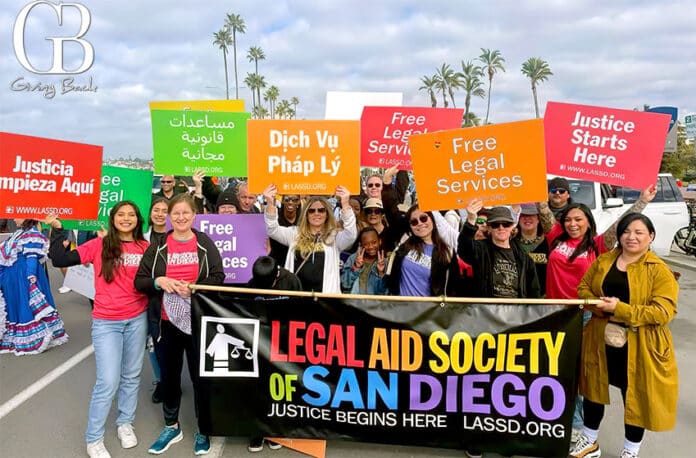
What is the Legal Aid Society?
The Legal Aid Society is a non-profit organization dedicated to providing free legal services to low-income individuals who cannot afford to hire a private attorney. While many people are familiar with the concept of a “public defender” in criminal cases, the Legal Aid Society often goes much further, covering a vast spectrum of civil and juvenile legal matters.
Founded on the belief that no person should be denied their basic rights due to their economic status, these organizations employ a dedicated staff of lawyers, social workers, and investigators. They handle everything from stopping unlawful evictions to securing government benefits and protecting victims of domestic violence. In many ways, the Legal Aid Society is the “emergency room” of the legal world—a place where people in crisis can find immediate, expert intervention.
The Three Pillars of Service: Civil, Criminal, and Juvenile
To understand the impact of the Legal Aid Society, one must look at the three primary areas where they exert their influence. Each pillar addresses a specific type of vulnerability within the population.
1. The Civil Practice
The civil practice is often where the most immediate “human” needs are met. It focuses on the essentials of survival: housing, health, and family stability. Lawyers in this department fight against predatory landlords, assist families in obtaining Medicaid or SNAP benefits, and help immigrants navigate the complexities of residency and work permits. Without this intervention, many individuals would find themselves homeless or without medical care simply because they didn’t understand the administrative paperwork required to protect themselves.
2. The Criminal Defense Practice
In the criminal justice system, the stakes are the highest—liberty itself. The Legal Aid Society often serves as the primary provider of indigent defense. Their attorneys represent individuals from the moment of arrest through trial and, if necessary, the appeals process. By providing high-quality defense, they ensure that the prosecution meets its burden of proof and that the defendant’s constitutional rights are not trampled in the rush to judgment.
3. The Juvenile Rights Practice
Perhaps the most sensitive area of work is the representation of children. This practice involves acting as the legal voice for children in family court, specifically in cases of neglect, abuse, or delinquency. The goal is to ensure that the child’s best interests are prioritized, whether that involves reunification with parents or finding a safe, stable foster environment.
Challenging the System: Impact Litigation
Beyond helping individuals on a case-by-case basis, the Legal Aid Society is renowned for its “impact litigation.” This refers to large-scale lawsuits aimed at changing laws or policies that affect thousands of people simultaneously.
For example, if a city’s shelter system is found to be inhumane, the Legal Aid Society may file a class-action lawsuit to force the government to improve conditions. By targeting the root causes of systemic inequality, they achieve victories that extend far beyond a single courtroom. This proactive approach ensures that the law evolves to be fairer for everyone, not just those currently in the middle of a dispute.
The Economic Benefit of Legal Aid
While the primary mission of the Legal Aid Society is humanitarian, its work also provides a significant economic benefit to the community. Pro bono legal work is a massive cost-saver for the government.
When a Legal Aid lawyer prevents an unlawful eviction, the city saves money that would otherwise have been spent on emergency shelter services. When they help a client secure disability benefits, they reduce the strain on local welfare systems. By resolving disputes efficiently, they also reduce the backlog in the court system, allowing the judiciary to function more smoothly. Investing in legal aid is, quite literally, an investment in the stability of the local economy.
The Challenges Facing the Organization
Despite its importance, the Legal Aid Society faces constant hurdles. The most pressing issue is almost always funding. Because these organizations rely on a mix of government grants, private donations, and foundation support, their budgets are often subject to the whims of political cycles.
This leads to a “justice gap”—a situation where the demand for free legal services far exceeds the available resources. In many cities, thousands of eligible people are turned away every year simply because there aren’t enough lawyers to handle the caseload. This creates a heartbreaking reality where justice depends on whether you were lucky enough to get through the door before the resources ran out.
How the Community Can Support the Mission
The Legal Aid Society is a community-driven entity, and it thrives on public support. There are several ways the public and the legal community contribute to its success:
- Pro Bono Partnerships: Many large private law firms partner with the Legal Aid Society, donating thousands of billable hours to take on specific cases for free.
- Donations: Individual contributions are vital for maintaining the independence of the organization, allowing them to take on controversial cases that government-funded programs might avoid.
- Advocacy: Raising awareness about the importance of “Civil Gideon” (the movement to guarantee a lawyer in civil cases just as in criminal ones) helps push for more stable public funding.
Conclusion
The Legal Aid Society is more than just a collection of lawyers; it is the physical manifestation of the promise of equal protection under the law. In a world where the legal system can be a daunting, expensive, and alienating place, these organizations provide the light of guidance and the weight of advocacy.
When we support the Legal Aid Society, we are not just helping an individual in need; we are strengthening the very fabric of our society. We are affirming that a person’s rights are inherent to their humanity, not their bank account. As long as there is inequality, the Legal Aid Society will remain an essential guardian at the gates of justice, ensuring that the law serves as a tool for empowerment rather than an instrument of oppression. Justice may be blind, but thanks to the Legal Aid Society, it is not deaf to the cries of the poor.
