
Agriculture is often romanticized as a peaceful way of life, characterized by rolling fields, golden sunsets, and a close connection to the land. However, behind this idyllic imagery lies one of the most hazardous occupations in the world. Farming is a demanding industry that requires the use of heavy machinery, exposure to unpredictable livestock, and labor in volatile weather conditions. Unlike a controlled factory environment, a farm is a dynamic workplace where the line between home and work is often blurred, increasing the risk of injury for both operators and their families.
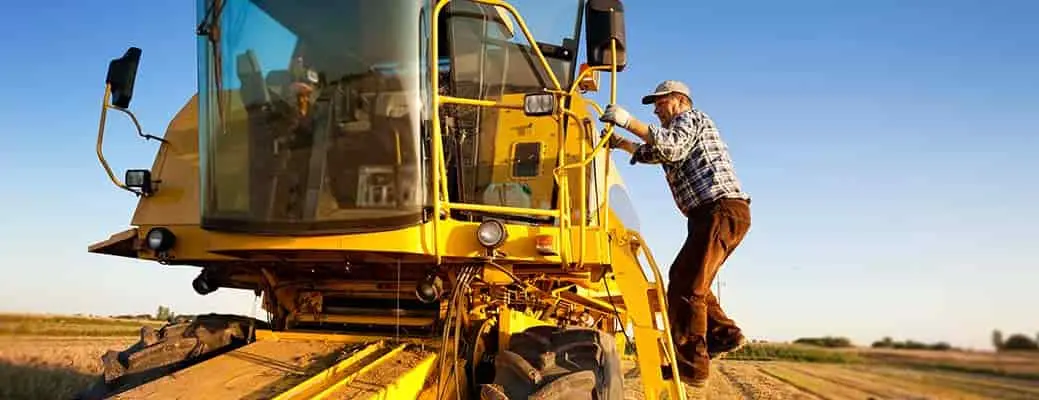
Understanding the root causes of farm accidents and implementing rigorous safety standards is essential for the sustainability of the agricultural sector and the well-being of those who feed the world.
The Primary Causes of Agricultural Injuries
Farm accidents are rarely the result of a single mistake. They usually stem from a combination of environmental factors, mechanical failure, and the physical exhaustion that often accompanies peak harvest seasons. To mitigate risk, we must first identify the most common threats on the farm.
1. Tractor and Machinery Incidents
Tractors are the backbone of modern farming, but they are also the leading cause of fatal farm injuries. Side and rear overturns (rollovers) are particularly deadly. If a tractor is not equipped with a Rollover Protective Structure (ROPS) and the operator is not wearing a seatbelt, the chances of survival during an overturn are slim. Additionally, Power Take-Off (PTO) shafts—which transfer power from the tractor to other implements—rotate at incredibly high speeds. Loose clothing or hair caught in an unguarded PTO can lead to limb entanglement or death in a matter of seconds.
2. Livestock-Related Injuries
Working with large animals like cattle, horses, or swine involves inherent unpredictability. Even the most docile animal can become aggressive if it feels cornered, startled, or protective of its young. Injuries often occur during handling, loading, or medical treatments. Crushing injuries, kicks, and trampling are common, emphasizing the need for proper facility design and a deep understanding of animal behavior.
3. Grain Bin Entrapment and Suffocation
Grain storage facilities are deceptively dangerous. “Flowing grain” acts much like quicksand; once a person is waist-deep in moving grain, it is physically impossible to pull them out without specialized equipment. Suffocation can occur within seconds. Furthermore, the buildup of toxic gases or the presence of mold spores in confined spaces like silos can lead to severe respiratory distress or “Farmer’s Lung” disease.
The Human Factor: Fatigue and Stress
One of the most significant, yet overlooked, contributors to farm accidents is the psychological and physical state of the farmer. Farming is not a nine-to-five job. During planting and harvest seasons, it is common for operators to work 16 to 18 hours a day for weeks on end.
Extreme fatigue impairs judgment, slows reaction times, and leads to “shortcut” thinking. When a farmer is exhausted, they might skip a safety check, leave a machine running while clearing a jam, or ignore a warning light to save ten minutes. Combined with the financial stress of fluctuating commodity prices and unpredictable weather, the mental load can become overwhelming, making the workplace far more dangerous than it would be under normal conditions.
Protecting the Next Generation: Children on the Farm
Farming is unique because the workplace is also the home. Children grow up surrounded by heavy equipment and livestock, often beginning to help with chores at a young age. While this instills a strong work ethic, it also places children at high risk.
Accidents involving children often occur when they are bystanders in work areas or when they are assigned tasks that exceed their physical or cognitive abilities. Establishing “Safe Play Areas” that are physically separated from the working parts of the farm is a critical step. Furthermore, parents must strictly adhere to the “No Riders” rule—children should never be allowed on tractors or lawnmowers as extra passengers, as a sudden jolt can easily knock them off and into the path of the machine.
Prevention Strategies and Safety Protocols
The goal of agricultural safety is not to eliminate work, but to manage the risks associated with it. A professional safety approach involves several layers of protection:
- Equipment Maintenance: Regularly inspecting shields and guards on all machinery. A missing PTO shield should be treated as an immediate emergency that requires repair before the machine is used again.
- ROPS Retrofitting: For older tractors, installing rollover protection structures is one of the most effective investments a farm owner can make.
- Personal Protective Equipment (PPE): Using earmuffs to prevent noise-induced hearing loss, respirators when handling grain or chemicals, and steel-toed boots to prevent crushing injuries.
- Emergency Communication: Ensuring that every worker has a way to communicate (such as a two-way radio or cell phone) and that everyone knows the exact GPS coordinates of various fields to give to emergency responders.
The Importance of Training and Education
Safety is a learned skill. Many farm accidents occur because an operator was never properly trained on a specific piece of equipment or was unaware of the “danger zones” around a machine. Comprehensive training for all employees—including seasonal workers—is vital. This training should be bilingual if necessary and should include hands-on demonstrations rather than just reading a manual.
Creating a “Culture of Safety” means making safety a topic of daily conversation. When the head of the farm prioritizes safety over speed, it sends a message to everyone else that their lives are more valuable than the crop.
Conclusion
Farm accidents are tragic, but the vast majority of them are preventable. By acknowledging the dangers of heavy machinery, respecting the power of livestock, and addressing the human elements of fatigue and stress, the agricultural community can significantly reduce the rate of injury.
Farming will always be a demanding profession, but it does not have to be a deadly one. It requires a conscious effort to slow down, perform the necessary safety checks, and respect the limits of both the machines and the people operating them. As we look to the future of agriculture, our greatest innovation should not just be higher yields or better technology, but a safer environment for the men, women, and children who dedicate their lives to the land. Safety is the most important harvest a farmer can ever bring home.