
In the complex landscape of the American judicial system, the ideal of “equal justice under law” can often feel out of reach for those without financial means. For over 145 years, The Legal Aid Society has stood as the primary bulwark against this inequality. As the oldest and largest social justice legal organization in the United States, its impact on the fabric of New York City and the broader legal precedent of the country is immeasurable.
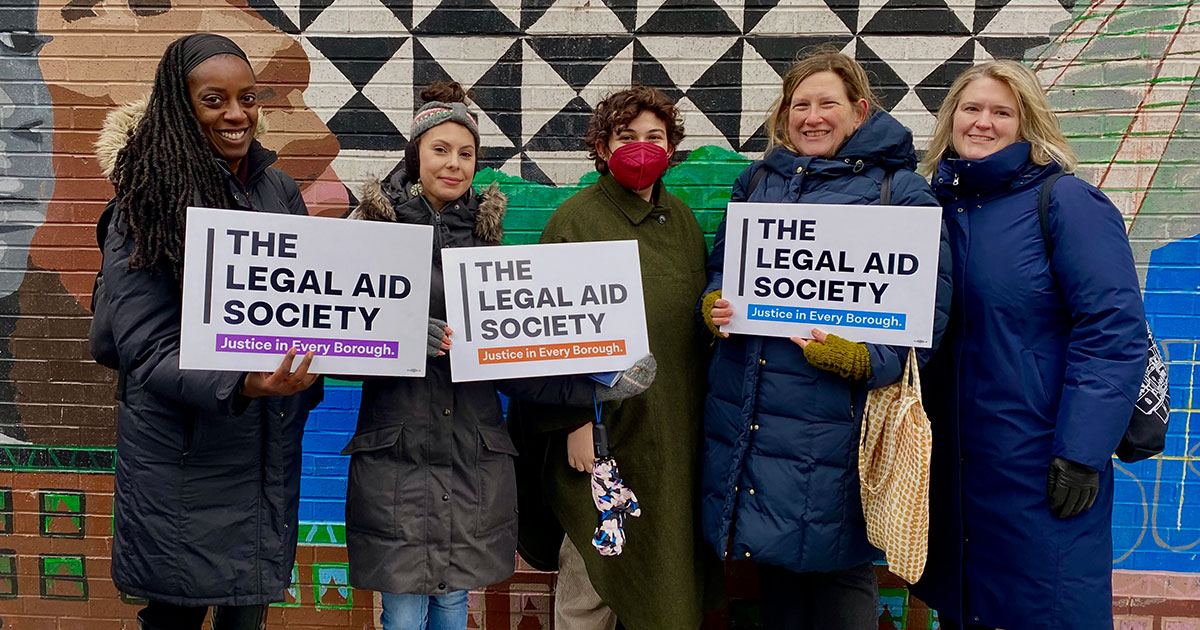
This article explores the history, core services, and the profound societal impact of The Legal Aid Society, highlighting why its mission remains more critical today than ever before.
A Legacy of Advocacy: Who They Are
Founded in 1876, The Legal Aid Society was initially established to protect the rights of German immigrants. However, it quickly expanded its scope to serve all New Yorkers who could not afford private counsel. Today, the Society operates as a private, not-for-profit legal services organization that provides a vast array of legal assistance across all five boroughs of New York City.
The organization’s philosophy is built on a simple but powerful premise: poverty should not be a barrier to justice. By providing high-quality legal representation to low-income individuals, they ensure that the legal system functions fairly for everyone, not just the wealthy.
The Three Pillars of Service
The Legal Aid Society’s work is organized into three primary practice areas, each addressing a critical facet of human rights and civil stability:
1. Criminal Defense
As the primary provider of indigent defense in New York City, the Society handles hundreds of thousands of cases annually. Their defenders represent individuals from arraignment through trial and appeal. They don’t just fight cases; they fight for systemic reforms, such as ending cash bail and addressing racial disparities in policing.
2. Civil Practice
The Civil Practice is a lifeline for New Yorkers facing crises that threaten their basic needs. This includes:
- Housing: Preventing evictions and ensuring safe living conditions.
- Employment: Protecting workers from wage theft and discrimination.
- Health & Benefits: Assisting clients in accessing Medicaid, SNAP, and disability benefits.
- Immigration: Providing path-to-citizenship assistance and deportation defense.
3. Juvenile Rights
The Society is a fierce advocate for children and youth. Their Juvenile Rights Practice represents the vast majority of children appearing in Family Court in New York City, dealing with matters of child protective proceedings (foster care) and juvenile delinquency cases.
Why Their Work Matters: Impact Beyond the Courtroom
The Legal Aid Society does more than just win individual cases; they drive systemic change. Through impact litigation—class-action lawsuits that challenge unfair laws or government policies—they have secured rights for millions.
Key Achievements Include:
- Housing Reform: Securing the “Right to Shelter” for homeless individuals in New York City.
- Police Accountability: Challenging unconstitutional “Stop and Frisk” practices.
- Prisoner Rights: Litigating to ensure humane conditions and medical care within the corrections system.
The Role of Pro Bono Partnerships
While the Society employs over 2,000 dedicated staff members, their reach is significantly amplified by partnerships with major law firms. The Pro Bono Program allows private attorneys to volunteer their time and expertise, contributing hundreds of thousands of hours each year. This collaboration between the public and private sectors is a cornerstone of the Society’s ability to handle an immense caseload.
Challenges and the Path Forward
Despite their success, The Legal Aid Society faces constant challenges. Funding gaps, rising costs of living in New York, and evolving legal threats to marginalized communities require constant adaptation. As we move further into the 2020s, the Society is increasingly focused on the intersection of technology and justice, ensuring that digital privacy and algorithmic fairness are protected for the poor.
Final Thoughts
The Legal Aid Society is not just a legal office; it is a vital pillar of democracy. By ensuring that every person has a voice in the courtroom, they uphold the integrity of the legal system and protect the most vulnerable members of society. Their work proves that when we defend the rights of one, we strengthen the rights of all.
Would you like me to create a summary of this article in a different format, such as an Instagram caption or a series of tweets for social media promotion?