
The use of aerial lifts—including boom lifts, scissor lifts, and cherry pickers—has revolutionized the construction, maintenance, and telecommunications industries. These powerful machines allow workers to reach heights that were previously inaccessible or required cumbersome scaffolding. However, with the increased efficiency and reach comes a significant set of risks. Aerial lift accidents are among the most severe incidents in the workplace, often resulting in permanent disability or fatality. Understanding the causes of these accidents and implementing rigorous safety protocols is not just a regulatory requirement; it is a moral imperative for every project manager and equipment operator.
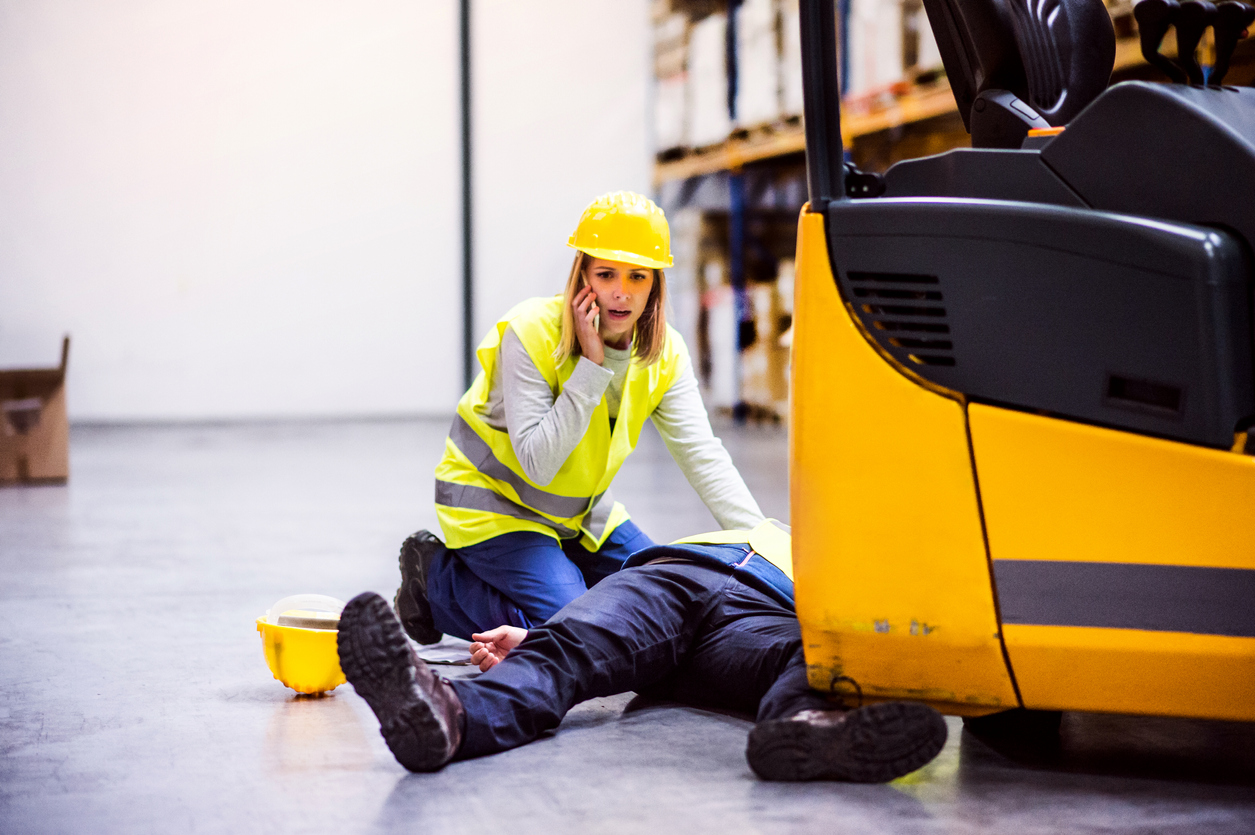
The Common Catalysts of Aerial Lift Incidents
Aerial lift accidents rarely stem from a single factor. Usually, they are the result of a chain of events involving mechanical failure, environmental conditions, or human error. By identifying these catalysts, companies can create targeted intervention strategies.
1. Tip-Overs and Instability
One of the most frequent and deadly types of accidents is the tip-over. This occurs when the lift loses its center of gravity. Common causes include operating on uneven ground, exceeding the manufacturer’s load capacity, or high wind speeds. Even a slight incline can be disastrous when a boom is fully extended, as the leverage exerted on the base increases exponentially.
2. Electrocution
Because aerial lifts are often used for utility work or near buildings, contact with overhead power lines is a constant threat. Electrocution can occur even without direct contact; high-voltage electricity can “arc” across a gap to a metal lift. Workers often become focused on the task at hand and lose track of their proximity to live wires, leading to catastrophic results.
3. Falls and Ejections
Falls from the platform can happen due to sudden movements, being struck by another vehicle, or the “catapult effect.” The catapult effect occurs when the base of the lift hits a curb or pothole, causing the bucket or platform at the end of the boom to whip violently. Without proper fall protection, an operator can be thrown out of the basket like a stone from a sling.
4. Entrapment and Crushing
Entrapment happens when an operator is caught between the lift platform and an overhead structure, such as a ceiling beam or a roof joist. If the controls are bumped or if the operator misjudges the distance while moving upward, they can be crushed against the structure before they have time to stop the machine.
The Critical Role of Pre-Operation Inspections
Prevention begins long before the lift leaves the ground. A professional blogger and safety advocate would emphasize that the pre-operation inspection is the most undervalued tool in an operator’s arsenal.
Every shift must begin with a dual inspection: the machine and the environment. Mechanically, operators must check hydraulic fluid levels, tire pressure, emergency brakes, and the functionality of all limit switches and backup alarms. If a machine feels “sluggish” or shows signs of a hydraulic leak, it must be “tagged out” and removed from service immediately.
Environmentally, the “Work Zone Inspection” involves identifying hazards such as potholes, slopes, debris, and overhead obstructions. Soil consistency is also vital; a lift that is stable on dry dirt may sink and tip once that dirt becomes mud after a rainstorm.
Fall Protection: Beyond the Guardrails
A common misconception among novice operators is that the guardrails on a scissor lift or boom lift are sufficient protection. While guardrails provide a collective safety barrier, they are only the first line of defense.
In boom-supported aerial lifts, the use of a Body Harness with a lanyard attached to a designated anchor point is mandatory in most jurisdictions. This personal fall arrest system (PFAS) ensures that if the catapult effect occurs or if the operator slips, they remain tethered to the platform. It is crucial to remember that an anchor point is specifically engineered for that purpose; hooking a lanyard to a guardrail is never an acceptable substitute, as the rail may not be designed to withstand the force of a falling person.
Training and the Human Element
The most sophisticated safety technology in the world cannot compensate for a lack of training. Proper aerial lift safety training goes beyond learning how to move the joy-stick. It involves understanding the load chart, knowing how to manual-lower the lift in an emergency, and recognizing the “danger zone” around the base of the machine.
Furthermore, a culture of safety must be cultivated. This means empowering workers to speak up if they feel a task is being performed unsafely. Many accidents occur because of “production pressure”—the feeling that speed is more important than safety. A professional organization understands that a single accident will cost far more in human lives, legal fees, and lost time than any delay caused by following safety protocols.
Emergency Response and Rescue Planning
When an accident does happen, the first few minutes are critical. If a lift malfunctions and a worker is stranded at height, or worse, hanging from a harness, a pre-determined rescue plan must be in place. Suspension trauma can set in within minutes for a worker hanging in a harness, leading to a loss of consciousness or death. Every crew should have at least one person on the ground trained in the emergency ground controls and a clear protocol for contacting emergency services.
Conclusion
Aerial lift accidents are devastating, but they are almost entirely preventable. By treating these machines with the respect they deserve and acknowledging the inherent risks of working at height, we can significantly reduce the frequency of injuries and fatalities. It requires a combination of rigorous mechanical maintenance, comprehensive operator training, and an unwavering commitment to safety protocols—even when it feels inconvenient.
The goal of every workday should be for every worker to return home in the same condition they arrived. In the high-stakes environment of aerial work, there is no room for “good enough.” Safety must be the foundation upon which every project is built. By prioritizing stability, awareness, and protection, we can continue to reach new heights without the tragic cost of avoidable accidents.